The McGuffin: a field guide to the objects stories chase.
From Hitchcock's empty microfilm to the heart of Te Fiti — six kinds of story object, what each one is for, and how we used the scholarship to choose the object that carries JADA's own story.
A scholarship piece for creators — verified against primary sources, July 2026
Prefatory Note
Alfred Hitchcock defined the McGuffin as "the thing that the characters on the screen worry about, but the audience doesn't care." That definition is useful but incomplete. It describes only one species of a much larger genus. Across a century of cinema, story objects have been recruited to do six distinct kinds of narrative work. Choosing the wrong type for a given story is among the most common reasons a central object reads as hokey or arbitrary. Choosing the right type — or the right hybrid — is why a small green stone in an animated Polynesian epic can make a theater weep.
This typology is written for a specific creator's problem: choosing what kind of object a coin sealed under a yacht's mast in 1938 should be in an origin myth for a real vessel. The general principles apply to any story object.
I. A Note on Sources and Attribution
The term itself. "MacGuffin" (the standard spelling; Hitchcock also used "McGuffin" interchangeably) was coined by the English screenwriter Angus MacPhail (1903–1962) for film use, and adopted by Hitchcock. MacPhail's friend and fellow Hitchcock collaborator Ivor Montagu confirmed this attribution. MacPhail introduced the term to Hitchcock around the production of The 39 Steps (1935). MacPhail co-wrote Spellbound (1945) and The Wrong Man (1956) with Hitchcock, often without screen credit.
First recorded use. A typescript of a lecture Hitchcock gave at Columbia University on 30 March 1939 contains the first documented use: "We have a name in the studio, and we call it the 'MacGuffin.' It is the mechanical element that usually crops up in any story."
Canonical definition. Hitchcock's fullest statement appears in the 50-hour interview he gave to François Truffaut, first published in French as Le Cinéma selon Alfred Hitchcock (Éditions Robert Laffont, 1966) and in English as Hitchcock (Simon & Schuster, 1967; revised edition 1985). Hitchcock said: "It's the device, the gimmick, if you will, or the papers the spies are after... the 'MacGuffin' is the term we use to cover all that sort of thing: to steal plans or documents, or discover a secret, it doesn't matter what it is. The only thing that really matters is that in the picture the plans, documents, or secrets must seem to be of vital importance to the characters, to me, the narrator, they're of no importance whatever."
George Lucas's dissent. Lucas publicly disagreed with Hitchcock's indifference. Reported by Vanity Fair and subsequently catalogued in McGuffin scholarship, Lucas held that "the audience should care about [the MacGuffin] almost as much as the dueling heroes and villains on-screen." Lucas identified R2-D2 as the McGuffin in Star Wars (1977) and praised the Ark of the Covenant in Raiders of the Lost Ark (1981) as an exemplary object precisely because audiences could feel its weight. This is not a trivial disagreement: it marks the fault line between Type 1 (the empty pretext) and Types 2 and 6 (the charged emblem and the relic).
Žižek. Slavoj Žižek engaged the McGuffin most systematically in two works: The Sublime Object of Ideology (Verso Books, 1989) and the anthology he edited, Everything You Always Wanted to Know About Lacan (But Were Afraid to Ask Hitchcock) (Verso, 1992), whose opening essay, "Alfred Hitchcock, or, The Form and Its Historical Mediation," distinguishes three Lacanian object-types in Hitchcock's filmography, with the McGuffin as the "empty" object — the object that functions precisely by being nothing, a void around which desire organizes itself. This is a sharper theoretical statement than Hitchcock's own: the McGuffin does not merely fail to matter; it succeeds because it fails to matter.
II. The Six Types
Type 1: The Empty Pretext
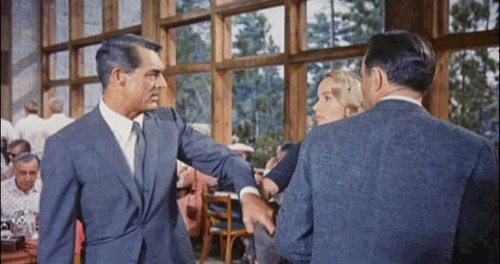
Definition. The object sets the story in motion and motivates all parties but carries no intrinsic thematic meaning. It is interchangeable. Replace the microfilm with plutonium, the plutonium with a signed treaty: nothing in the story's argument changes. Hitchcock's own canonical description applies here and nowhere else.
Defining test. Strip the object from the story and substitute any other object of equivalent desire-value. If the film's emotional and thematic architecture survives the substitution intact, you have an empty pretext.
Three canonical examples.
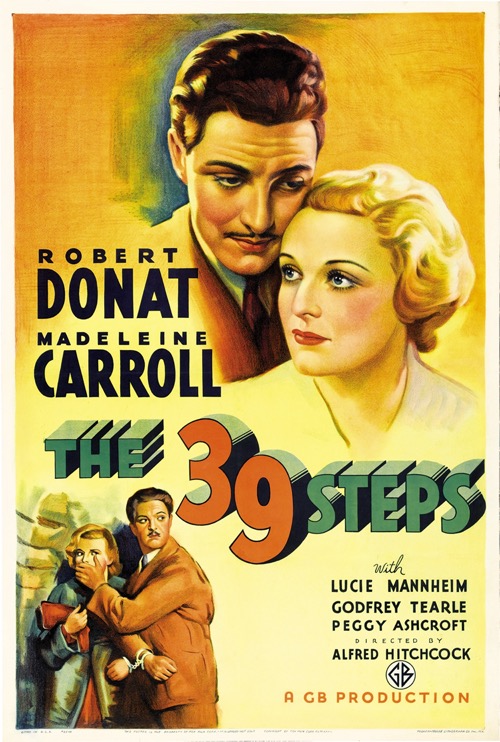
1. The 39 Steps (dir. Alfred Hitchcock, 1935). The secret is a formula for a silent aircraft engine, memorized by a vaudeville performer called Mr. Memory. The formula's specific content is never disclosed. What matters is that the spies want it. Hitchcock could have made it a bomb design, a naval schedule, or a crown jewel: the Hannay romance, the wrongly-accused structure, and the music-hall finale are unchanged.
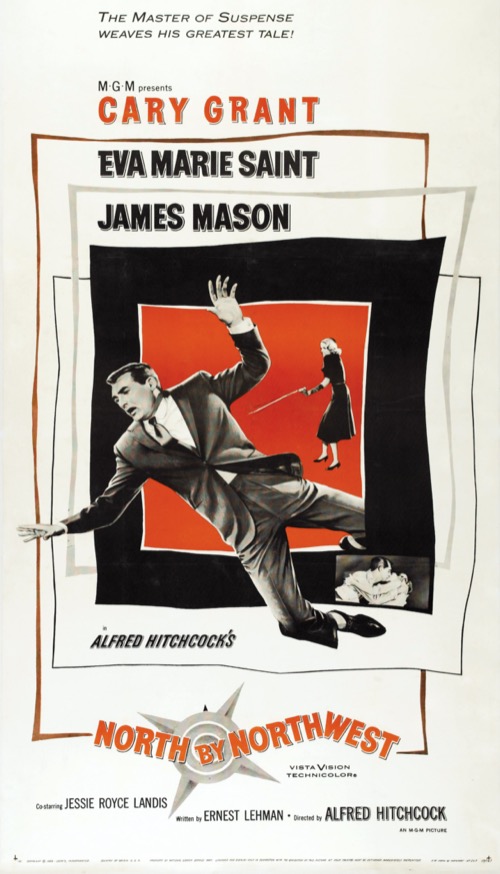
2. North by Northwest (dir. Alfred Hitchcock, 1959). The MacGuffin is microfilm containing government secrets concealed inside a carved figurine. In Hitchcock's own later assessment, this represents the concept at "its purest expression: nothing at all!" The secrets are never identified; the figurine is never explained. The cross-country chase, the Cary Grant mistaken-identity comedy, and the Mount Rushmore climax need no specifics.
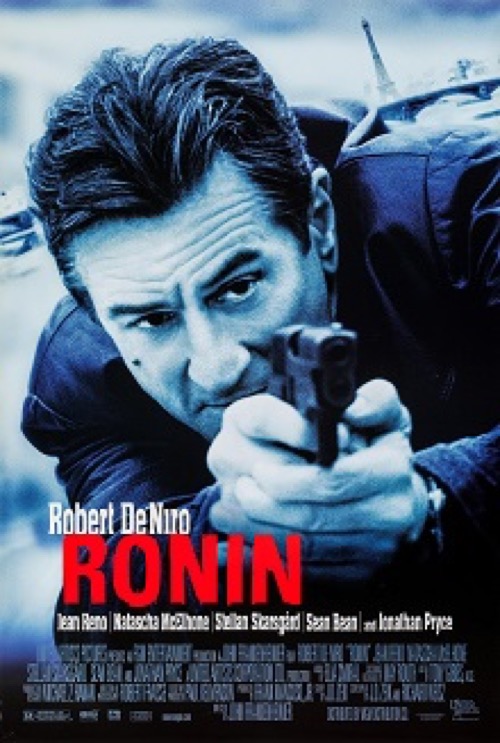
3. Ronin (dir. John Frankenheimer, 1998). A metal case. Its contents are never revealed to the characters or the audience. Frankenheimer reportedly told his cast not to speculate about the contents, since the object's nature was deliberately immaterial to the professional espionage choreography the film was built to showcase.
Failure modes. The empty pretext breaks when: (a) a character delivers genuine emotional attachment to it — audiences then demand to know what "it" is; (b) the object is so specific in its appearance or description that audiences fixate on identification; (c) the story's final act requires the object to actually do something. An empty pretext must remain inert. The moment it has consequences, it has become something else.
Type 2: The Charged Emblem
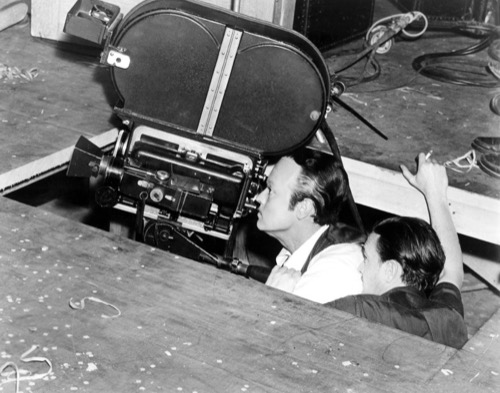
Definition. The object is the theme. It does not merely motivate the plot — it embodies the argument the film is making. Remove it and the film's central claim collapses or must be restated in awkward exposition. The charged emblem is the opposite of the empty pretext: it is the least substitutable object in cinema.
Defining test. Ask: what does this story mean? Then ask: is the object an externalization of that meaning? If the object is the answer to the first question, you have a charged emblem. If the object is only a vehicle toward an answer stated in dialogue or character change, it may be something else.
Three canonical examples.
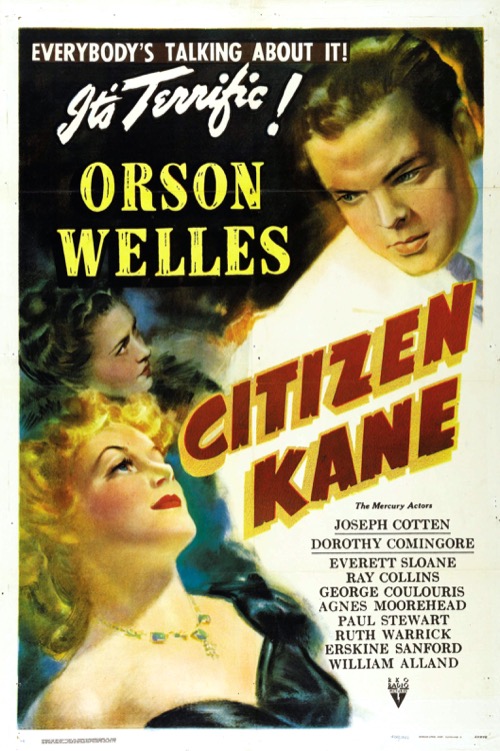
1. Citizen Kane (dir. Orson Welles, 1941). "Rosebud" is the trade name stenciled on Kane's childhood sled, as Welles confirmed in a February 1941 statement. The sled is not a McGuffin in Hitchcock's sense — no one in the story pursues it, and the reporter Thompson never finds it. It is a charged emblem: the film's argument is that wealth and power cannot purchase the continuity of self that is broken in childhood. Rosebud is that rupture made physical. When the sled burns in the last shot, the argument is complete. Scholar Laura Mulvey has characterized it as a Freudian fetish object — simultaneously the lost object and the screen memory that stands in for loss.
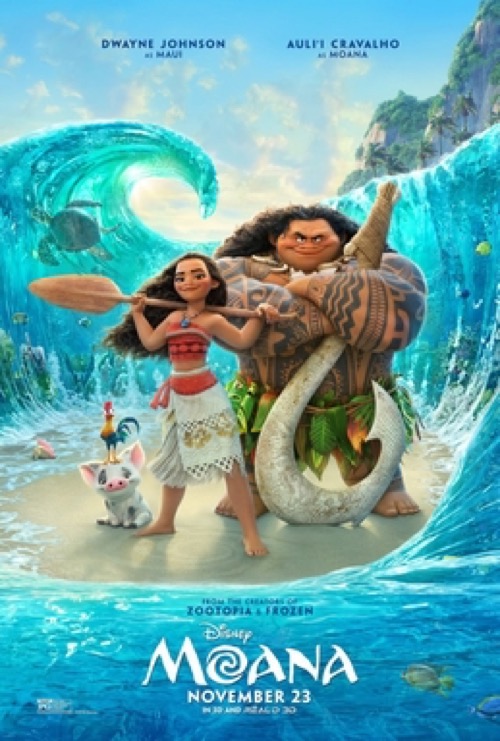
2. Moana (dir. Ron Clements & John Musker, Walt Disney Animation Studios, 2016). The Heart of Te Fiti — a small pounamu (greenstone) — IS the theme of identity under duress. Te Fiti, stripped of her heart, becomes Te Kā: a demon of ash and rage who has forgotten who she is. The film's central claim is that identity, once stripped away by violence or loss, can be restored only by being seen and named — not by force. Moana does not fight Te Kā; she names her: "I know who you are." The heart's restoration is the enactment of that argument in physical space.
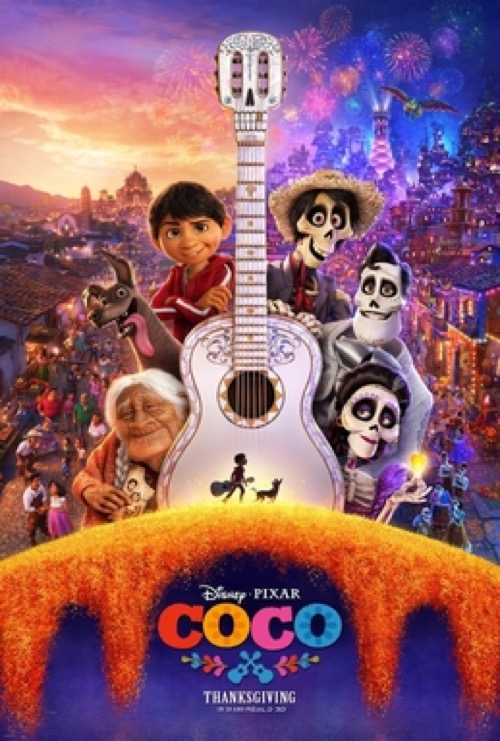
3. Coco (dir. Lee Unkrich & Adrian Molina, Pixar Animation Studios, 2017). The torn family photograph is a charged emblem of memory, inheritance, and the relation between remembrance and existence. In the film's cosmology, the dead suffer a "final death" when no living person remembers them. The photograph — specifically its torn edge, from which Héctor's face has been removed — is not a mystery to be solved but a wound to be healed. The payoff is not the photograph's restoration but Coco's act of singing her father's song: the emblem unlocks something that can exist without it.
Failure modes. The charged emblem reads as hokey when: (a) the symbolism is stated rather than enacted — characters explain what the object "means" instead of living its consequences; (b) the revelation is delayed past the point of earned patience; (c) the object's appearance is so generic it cannot carry the required weight (a generic envelope cannot be Rosebud). The charged emblem demands visual specificity — a green stone, a sled with a stenciled brand name, a photograph with a visible tear line.
Type 3: The Agency-Object
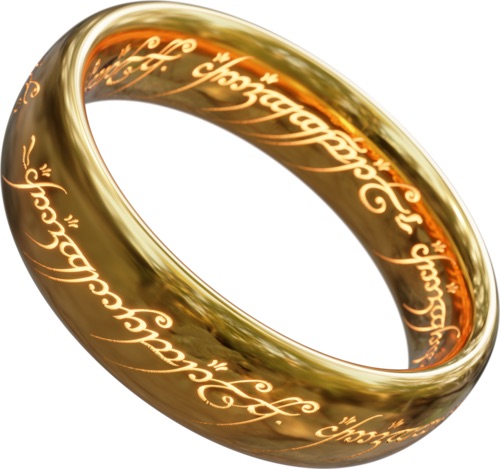
Definition. The object has volition. It does not merely respond to character desire; it initiates action, shapes events, and pursues its own logic. The characters believe they are using the object; the audience gradually understands the object is using them.
Defining test. Does the object have a discernible goal independent of any character's goal? Does it demonstrably act to achieve that goal? If yes, you have an agency-object.
Three canonical examples.
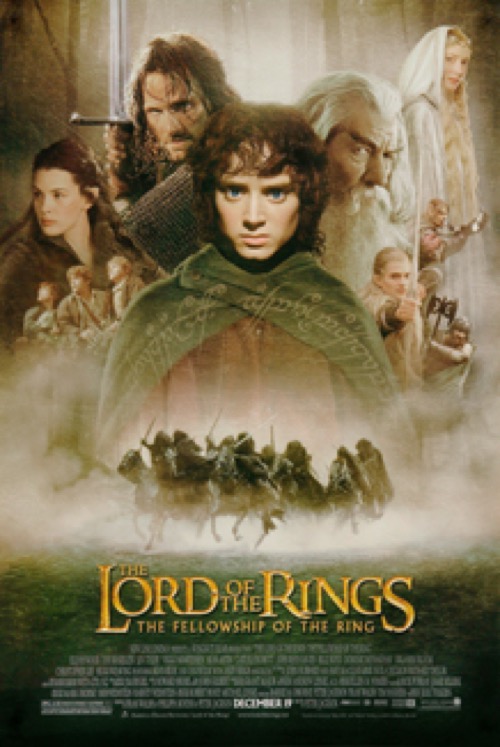
1. The Lord of the Rings trilogy (dir. Peter Jackson, 2001–2003; based on J.R.R. Tolkien, 1954–55). The One Ring exemplifies the type. Tolkien established in his letters that the Ring was imbued with Sauron's will and desire, and Gandalf states plainly in The Fellowship of the Ring that "The Ring was trying to get back to its master." The Ring corrupts its bearers, abandons them when convenient, and exerts gravitational pull toward its maker. It is not a passive object: it is an antagonist without a body.
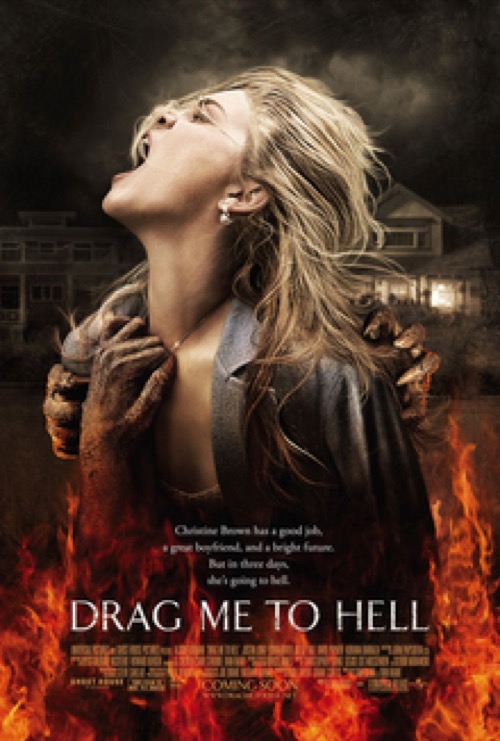
2. Drag Me to Hell (dir. Sam Raimi, 2009). The cursed button from Mrs. Ganush passes between characters not because any character chooses to pass it but because its logic demands a host. The object routes the curse.
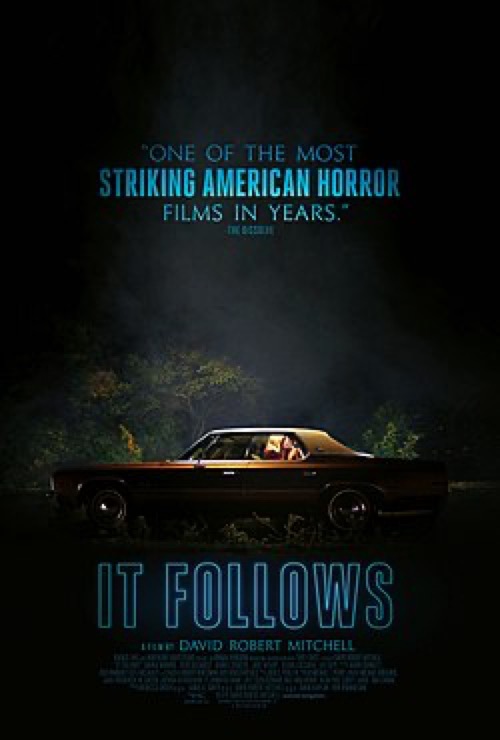
3. It Follows (dir. David Robert Mitchell, 2014). The curse-object is not physical but operates on the same logic: it has a persistent goal (reaching its current host), it moves at its own pace, and it cannot be negotiated with. The audience understands its volition before most characters do.
Failure modes. Agency-objects become confused when their rules are inconsistent — the object seems to want one thing in act one and a contradictory thing in act three. They collapse when a character can control the object easily, which eliminates the threat. They also fail when the object's agency competes with the protagonist's agency in ways that make the protagonist feel passive: if the Ring always wins, why does Frodo matter?
Type 4: The Bait
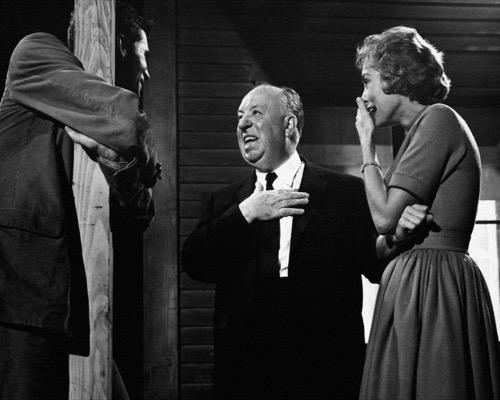
Definition. The object's primary narrative function is misdirection. It recruits the audience's attention and investment for a subject that will be abandoned, revealing the actual subject of the film. Unlike the empty pretext, the bait is emotionally loaded — audiences must genuinely care about it for the misdirection to function.
Defining test. Is the object abandoned mid-story? Does the film's real argument concern something the bait only gestured toward? If the first twenty minutes' apparent subject becomes irrelevant, you may have a bait.
Three canonical examples.
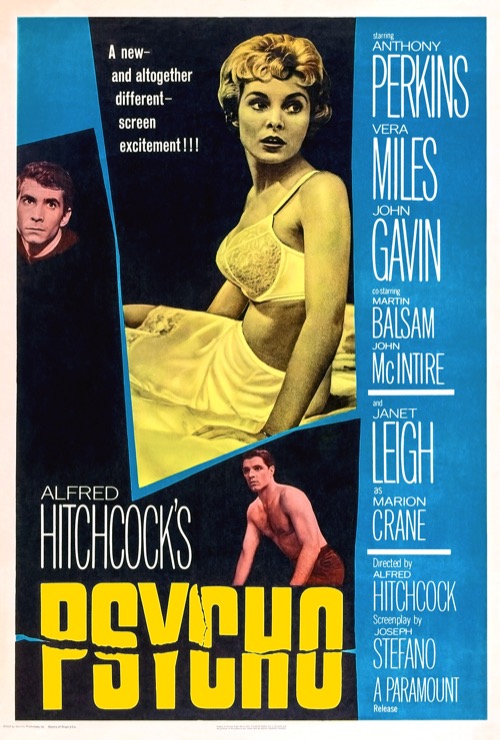
1. Psycho (dir. Alfred Hitchcock, 1960). Marion Crane steals $40,000 in cash from her Phoenix employer and flees toward her lover in Fairvale, California. The money establishes Marion as a moral transgressor — audiences are recruited into complicity with a thief. Then Hitchcock kills Marion in the shower at the Bates Motel at the twenty-minute mark, and the $40,000 is wrapped in newspaper and sunk in a swamp with her car. The money is never recovered; its plot function is complete. The film's actual subject — Norman Bates, the pathology of repression, a son and his mother — was always behind the curtain. Hitchcock confirmed this strategy: he spent unusually large sums marketing the stolen money to ensure audiences came in already caring about Marion's fate.
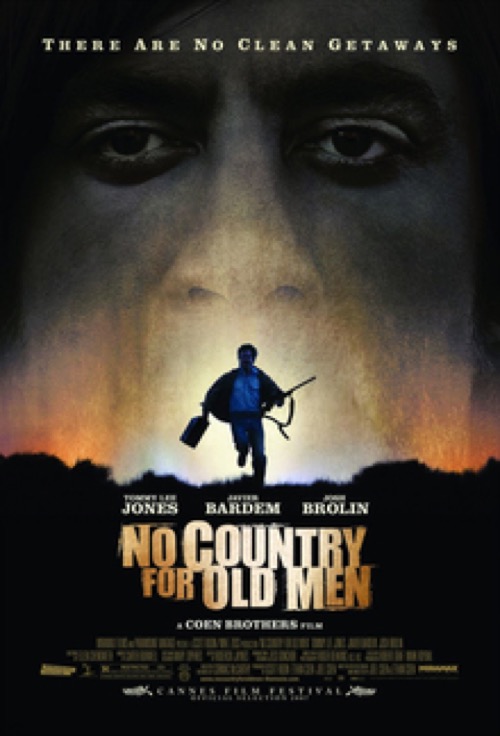
2. No Country for Old Men (dir. Joel & Ethan Coen, 2007). Llewelyn Moss finds $2.4 million at a drug deal gone wrong and takes it home. The money bait establishes the thriller's machinery: pursuer, pursued, chase. But the Coens' argument is not about money or survival; it is about whether the moral framework of an older generation (Sheriff Bell) can survive contact with a new, incomprehensible violence (Chigurh). The money is the bait that gets us into a meditation on fatalism and entropy.
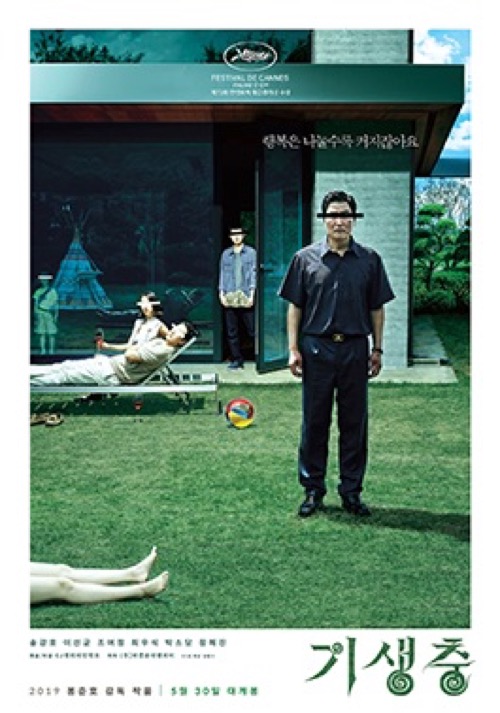
3. Parasite (dir. Bong Joon-ho, 2019). The scholar's stone — the "suseok" presented to Ki-woo as a wealth-bringing talisman — initially reads as a charged emblem of aspiration. It is in fact a bait: the stone's final use (as a weapon) reveals that it was always the wrong kind of luck, pointing toward the film's argument about the violence latent in class aspiration.
Failure modes. The bait misfires when: (a) audiences feel cheated rather than surprised — the bait must have been worth pursuing, not merely a con; (b) the transition from bait to actual subject is abrupt without emotional bridging; (c) the story abandons the bait entirely and the second half feels like a different film. Hitchcock kept the $40,000 visible (wrapped in newspaper, present in the swamp) to prevent this.
Type 5: The Mystery-Box
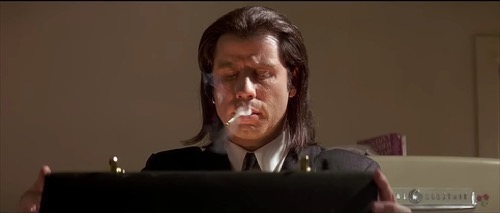
Definition. The object is withheld from both characters and audience throughout the film. Its contents are never revealed. The mystery-box derives its power from projection: the audience completes it from their own fears, desires, or cosmologies. It does not have a meaning so much as it creates a space for meaning.
Defining test. Is the object's interior or identity deliberately withheld to the end of the film? Does the film benefit more from not revealing it than it would from any specific reveal? If yes, and if the film's tone is compatible with that withholding, you have a mystery-box.
Three canonical examples.
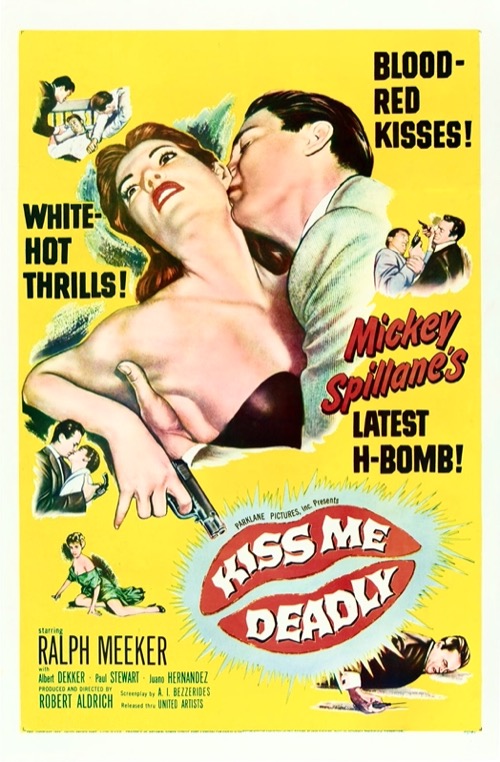
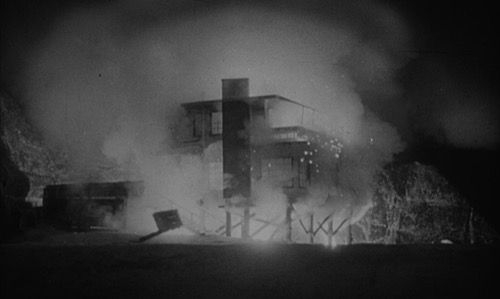
1. Kiss Me Deadly (dir. Robert Aldrich, 1955). The "great whatsit" — Velda's term for the lead-lined valise that everyone in Los Angeles wants — glows, burns to the touch, and ultimately detonates in a chain reaction that sets the Pacific coastline on fire. This is the mystery-box in its most extreme form: even when it is opened, its contents remain undefined. Aldrich and screenwriter A.I. Bezzerides used it as a Cold War metaphor for nuclear catastrophe — the thing that would destroy civilization was best represented as an unspecifiable, unstoppable force. Some scholars argue it is an anti-McGuffin: an object that, unlike Hitchcock's pure version, has very real and specific consequences.
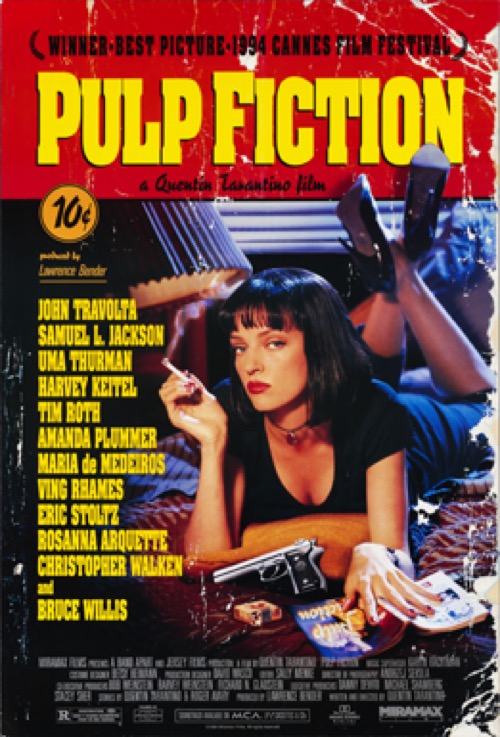
2. Pulp Fiction (dir. Quentin Tarantino, 1994). Marcellus Wallace's briefcase — combination 666 — emits a golden glow when opened. The audience sees Jules and Vincent react with awe; they see Pumpkin react with wonder. The contents are never revealed. Tarantino confirmed there is no official explanation and that the ambiguity was intentional. Co-writer Roger Avary has noted that the original screenplay had diamonds inside (a Reservoir Dogs callback) but that this was abandoned as "too predictable." The golden light — reportedly an orange bulb placed inside — was a late addition that escalated the object from a simple MacGuffin to something numinous.
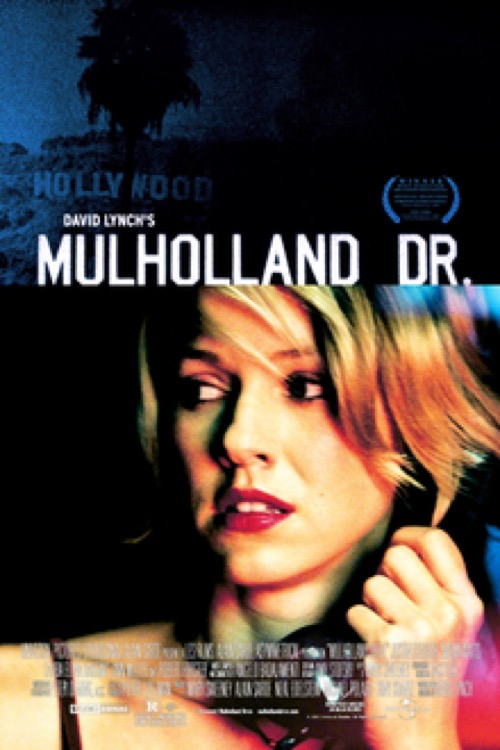
3. Mulholland Drive (dir. David Lynch, 2001). The blue box. It is given, it is opened, and the film dissolves into unreality at that moment — but the box's specific contents are never legibly identified. In Lynch's architecture, the mystery-box is not a plot device but a structural principle: the film's logic demands that the central enigma remain enigmatic.
Failure modes. The mystery-box is among the most misused devices in cinema because it demands a specific tonal register — cool, stylized, or oneiric — that many films cannot sustain. It fails when: (a) the withholding feels like a screenwriter's evasion rather than a deliberate aesthetic choice; (b) the film has otherwise asked audiences to invest in realist cause-and-effect logic (mysteries demand answers in realist narratives); (c) the object is so physically prominent that its emptiness becomes an irritant rather than an invitation; (d) it is deployed as a climax substitute.
Type 6: The Talisman/Relic
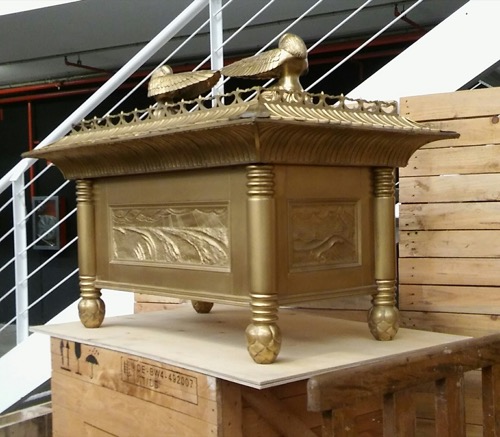
Definition. The object is sacred within the story's logic. It carries real power — not metaphorical power, but diegetically effective force. It is governed by rules: rules of access, rules of custody, rules about who may touch it and under what conditions. Violation of those rules produces real consequences in the world of the story. Its value is not commercial but ontological: the relic is what it represents, and what it represents is still operative.
Defining test. Does the object have documented rules of approach or use? Do those rules have diegetic consequences when broken? Is the object's power real within the story, not merely attributed by characters? If yes, you have a talisman or relic.
Three canonical examples.
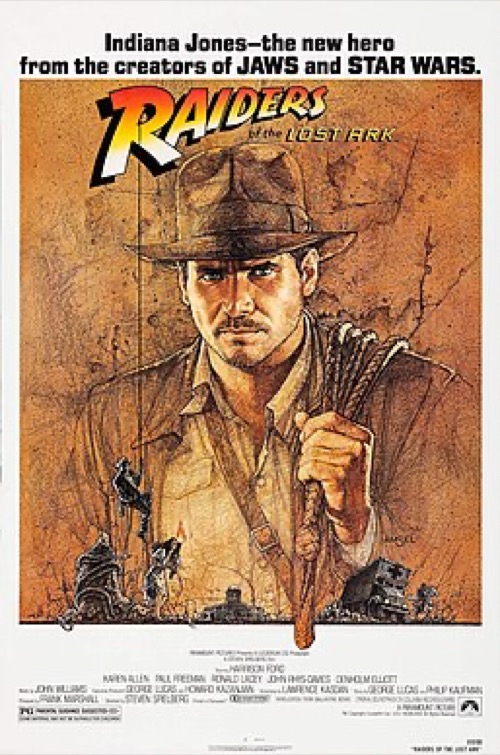
1. Raiders of the Lost Ark (dir. Steven Spielberg, 1981). The Ark of the Covenant is introduced with explicit sacred rules: it cannot be touched directly (it must be carried on poles through rings in its base, by the Tribe of Levi only); anyone not of the appointed lineage who touches or misuses it faces divine retribution. These rules are established in dialogue and in historical context. The Ark is not a prop in the film's climax: it acts. It kills the Nazis who open it improperly. Indy and Marion survive by closing their eyes — by not seeing, honoring a prohibition against unauthorized encounter with the divine. Philip Kaufman, who developed the concept with Lucas before the screenplay was written, cited hematologist Raphael Isaacs's theories on Biblical miracle physics as an influence on the Ark's diegetic reality.
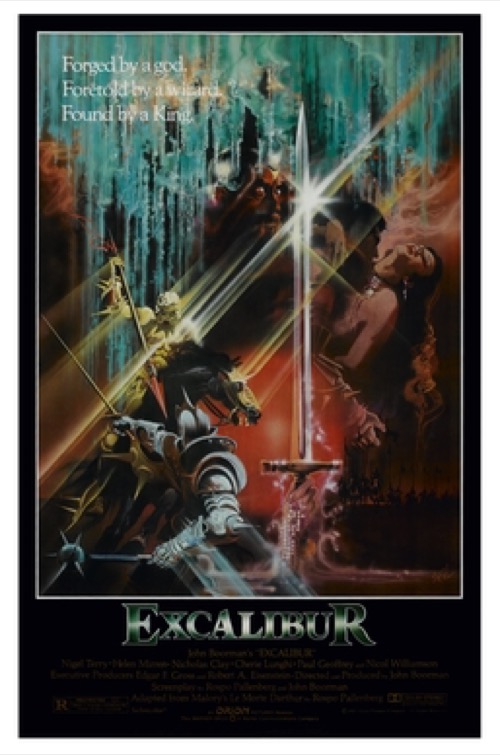
2. Excalibur (dir. John Boorman, 1981). The sword is not a weapon but a vessel of cosmic authority — it legitimizes kingship by binding the ruler to the land. Merlin grants it to Uther and later to Arthur with explicit conditions. When Uther abuses the sword's power, anarchy follows. When Arthur is dying, he commands Perceval to return it to the Lady of the Lake — because the sword cannot belong to any individual, only to the principle it embodies. Boorman's film treats the sword as an agency-object-relic hybrid: it has something like will, and its rules are ontological, not procedural.
3. Moana (dir. Ron Clements & John Musker, 2016). The Heart of Te Fiti also qualifies as a relic: it is not merely a symbol of Te Fiti's identity but constitutive of it. Without the heart, the goddess ceases to exist as herself. The ocean guards it, the demigod Maui stole it, and the world deteriorates in its absence. Its rules are embedded in the cosmology. This makes Moana's heart a double-typed object: a charged emblem (it IS the theme of identity) and a relic (it has sacred custody rules and real-world power).
Failure modes. The talisman/relic breaks when: (a) its rules are inconsistently applied — if the Ark kills Nazis but not Indy, the logic must be explained (and it is: the eye-closing); (b) it is treated as a convenient MacGuffin that merely needs to be retrieved, stripping it of the sacred weight that justifies its story prominence; (c) its power is never demonstrated until the climax — audiences must see early evidence of the relic's reality; (d) characters handle it with insufficient reverence, signaling to the audience that the film itself doesn't believe in the rules.
III. The Sacred Keepsake Problem: Analysis for a Specific Case
The object in question is a coin sealed beneath the mast of a 1938 yacht during her original construction — a real object, in a real vessel, being given a mythic origin narrative. The coin is presently undisturbed. The story being built around it is an origin myth for a living ship.
This case has specific constraints that rule out most of the six types:
Why not the empty pretext. An origin myth requires the coin to mean something. Hitchcock's device works because the audience consents to indifference — they understand the object is a lever, not a jewel. An origin myth that asks audiences to care about a vessel's founding and then signals that the founding object is interchangeable would undermine its own purpose.
Why not the bait. A bait requires the object to be abandoned. A coin under a mast that will remain there for the vessel's lifetime cannot be abandoned; it must be the center of gravity, not a misdirection.
Why not the agency-object. The coin should not have will. An origin coin that pursues outcomes would create supernatural obligations the living owners of the vessel would have to honor in every future narrative. More practically: agency-objects tend to generate anxiety, not reverence.
Why the mystery-box is tempting but wrong. The mystery-box is seductive for a coin that cannot be retrieved without destroying its meaning — the coin sealed under the mast is permanently withheld. But the mystery-box works by creating a void that audiences complete with their own projections, and that logic requires a cool or detached authorial tone. An origin myth is warm. The coin needs a specific history — a real year (1938), a real context (the Depression, the New Deal, the Stockton Delta waterways) — and that specificity is antithetical to the mystery-box's productive blankness. Tarantino's briefcase works because Pulp Fiction is consciously stylized; an origin coin withheld from its audience reads not as numinous but as evasive.
The recommendation: Charged Emblem + Relic Hybrid.
This is the type the Heart of Te Fiti occupies, and for structurally identical reasons.
The coin is a charged emblem because the act of placing a coin beneath a mast in 1938 is the theme: continuity, provenance, the human consecration of a working vessel, the statement that this ship matters made at the moment before she could have proved it. The coin embodies the argument that a vessel has an identity that precedes and survives her commercial use — that she was intended, not merely assembled.
The coin is simultaneously a relic because it is governed by real maritime law and custom. The tradition of placing a coin beneath the mast step is documented from ancient Roman shipwrecks through to modern cruise ship keel-laying ceremonies. The coins must traditionally be silver. The act is understood as payment — originating in the Greek custom of Charon's obol, the coin placed in the mouth or on the eyes of the dead to pay the ferryman across the Styx — here translated into a payment for safe passage across living water. The coin cannot be removed without consequence: not metaphorical consequence but the specific material consequence that the mast must come down, the ship must be opened, the continuity broken. These are rules with teeth.
How Moana's heart and Coco's photograph earn emotion without kitsch.
Both films teach the same technique: the object externalizes an interior transformation, and the audience feels the cost through the world, not through exposition.
In Moana, the blight spreading across the Pacific is not described in dialogue — it is shown as dying reefs, withered crops, stranded fish. The audience does not need to be told the heart matters; they see what its absence costs in the specific, material texture of the world. When the heart is returned, the restoration is shown, not summarized. The reversal is complete and physical.
In Coco, the payoff is not the restored photograph but the song "Remember Me," which Coco sings from deep inside her dementia when the film's emotional argument reaches its conclusion. The photograph unlocks the song; the song is the emotion. The photograph is the key to a door; the music is what was behind it. This is the technique for avoiding kitsch: never let the object be the emotion. Let it release the emotion that has been building in the audience through other means. The object is the keystone, not the arch.
Applied to the coin: do not write a scene in which a character holds the coin and explains its significance. Write a scene in which someone threatens to remove the coin — and show what the vessel's human community does in response. The coin's meaning lives in that response, not in the coin.
IV. The Six Types as a Decision Matrix
| Type | Core function | Audience relationship | Best narrative register | Fit for sacred keepsake |
|---|---|---|---|---|
| Empty Pretext | Motivation lever | Knowing indifference | Thriller, espionage | None |
| Charged Emblem | Theme externalized | Earned investment | Drama, myth, elegy | Strong |
| Agency-Object | Antagonist-without-body | Dread and fascination | Horror, epic fantasy | Weak |
| Bait | Misdirection | Initial investment, then transfer | Thriller, horror | None |
| Mystery-Box | Productive void | Projection and completion | Stylized noir, surrealism | Weak |
| Talisman/Relic | Sacred rules + real power | Reverence | Myth, epic, sacred narrative | Strong |
| Charged Emblem + Relic | Theme made sacred, rule-bound | Deep investment + reverence | Origin myth | Optimal |
V. Verification Index: McGuffins Cataloged in This Document
| Object | Film | Director | Year | Type |
|---|---|---|---|---|
| Secret aircraft formula (Mr. Memory) | The 39 Steps | Alfred Hitchcock | 1935 | Empty Pretext |
| Rosebud sled | Citizen Kane | Orson Welles | 1941 | Charged Emblem |
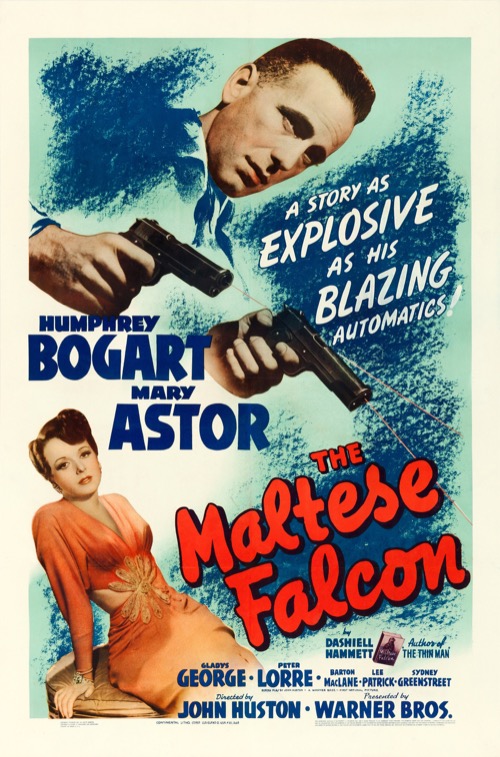
| Jeweled falcon statuette | The Maltese Falcon | John Huston | 1941 | Charged Emblem (ironic) |
| $40,000 cash | Psycho | Alfred Hitchcock | 1960 | Bait |
| Government secrets on microfilm | North by Northwest | Alfred Hitchcock | 1959 | Empty Pretext |
| "The great whatsit" (lead-lined valise) | Kiss Me Deadly | Robert Aldrich | 1955 | Mystery-Box / Anti-McGuffin |
| One Ring | The Lord of the Rings trilogy | Peter Jackson | 2001–2003 | Agency-Object |
| Ark of the Covenant | Raiders of the Lost Ark | Steven Spielberg | 1981 | Relic + Charged Emblem |
| Excalibur | Excalibur | John Boorman | 1981 | Talisman/Relic |
| Briefcase (combination 666) | Pulp Fiction | Quentin Tarantino | 1994 | Mystery-Box |
| Scholar's stone (suseok) | Parasite | Bong Joon-ho | 2019 | Bait |
| Metal case | Ronin | John Frankenheimer | 1998 | Empty Pretext |
| Heart of Te Fiti | Moana | Ron Clements & John Musker | 2016 | Charged Emblem + Relic |
| Torn family photograph | Coco | Lee Unkrich & Adrian Molina | 2017 | Charged Emblem |
| Coin under mast step | Origin myth of 1938 yacht | — | 1938 / present | Charged Emblem + Relic |
Total objects cataloged: 15 (14 verified from existing films + 1 proposed)
Primary sources cited: Hitchcock, Columbia University lecture (1939); Truffaut, Le Cinéma selon Alfred Hitchcock (1966/1967); Žižek, The Sublime Object of Ideology (1989); Žižek, ed., Everything You Always Wanted to Know About Lacan (But Were Afraid to Ask Hitchcock) (1992)
Scholars / critics cross-referenced: Ivor Montagu (MacPhail attribution); Laura Mulvey (Rosebud as fetish object); George Lucas (audience-investment dissent, Vanity Fair)
VI. A Final Note on the Coin
The maritime tradition of placing a coin beneath the mast step is documented in Roman shipwrecks (confirmed by the Antikythera wreck excavations and later finds), elaborated in Venetian shipbuilding practice, and persisting in modern keel-laying ceremonies for vessels up to cruise ship scale. The tradition carries a dual meaning: the coin is Charon's obol (payment for safe crossing) and simultaneously a foundation offering (the city of Rome placed coins and other objects beneath the cornerstones of public buildings as consecration acts). In 1938, the year the vessel in question was laid down in Stockton, California, placing a coin beneath the mast would have been understood as a gesture continuous with this history even if the specific ritual logic was not consciously articulated by the shipwrights.
A coin placed in 1938 has survived the Depression, the Second World War, the Korean War, the Vietnam War, the oil crises, and the digital age, undisturbed under wood and water. That is not nothing. That is not a McGuffin. That is a charged emblem of continuity and a relic whose rules are simple: it stays.
The story of that coin does not need a mystery. It needs a witness.
Research conducted July 2026. All film facts verified against primary sources and Wikipedia cross-referenced with multiple secondary sources. Scholarly attributions verified against published editions. Maritime tradition verified against Mandurah Yacht Academy, USS Constitution Museum records, and keel-laying ceremony documentation.
The gallery of objects
Every film discussed above, with — where a usable frame exists — the object itself.
The gallery of objects
Every film discussed above, with — where a usable frame exists — the object itself.

Why a boat’s log is writing about movie props
Because JADA is choosing hers. There is a coin beneath her mast — shipwrights have sealed them there for two thousand years, payment for safe passage, a custom older than any studio — and when we tell her story, that coin will carry it. The scholarship above is how we made sure we chose the right kind of object: not a briefcase that means nothing, but a small gold thing that means everything and never has to explain itself.
For the long history of the office the coin belongs to, read our companion study: The Office of Queen — a global history of an idea.
A note on the images. Film posters and frames on this page are low-resolution reproductions used under the fair use doctrine (17 U.S.C. §107) solely for purposes of criticism, commentary, and scholarship directly addressing each work shown. All rights remain with the respective studios and rights holders, credited in each caption.